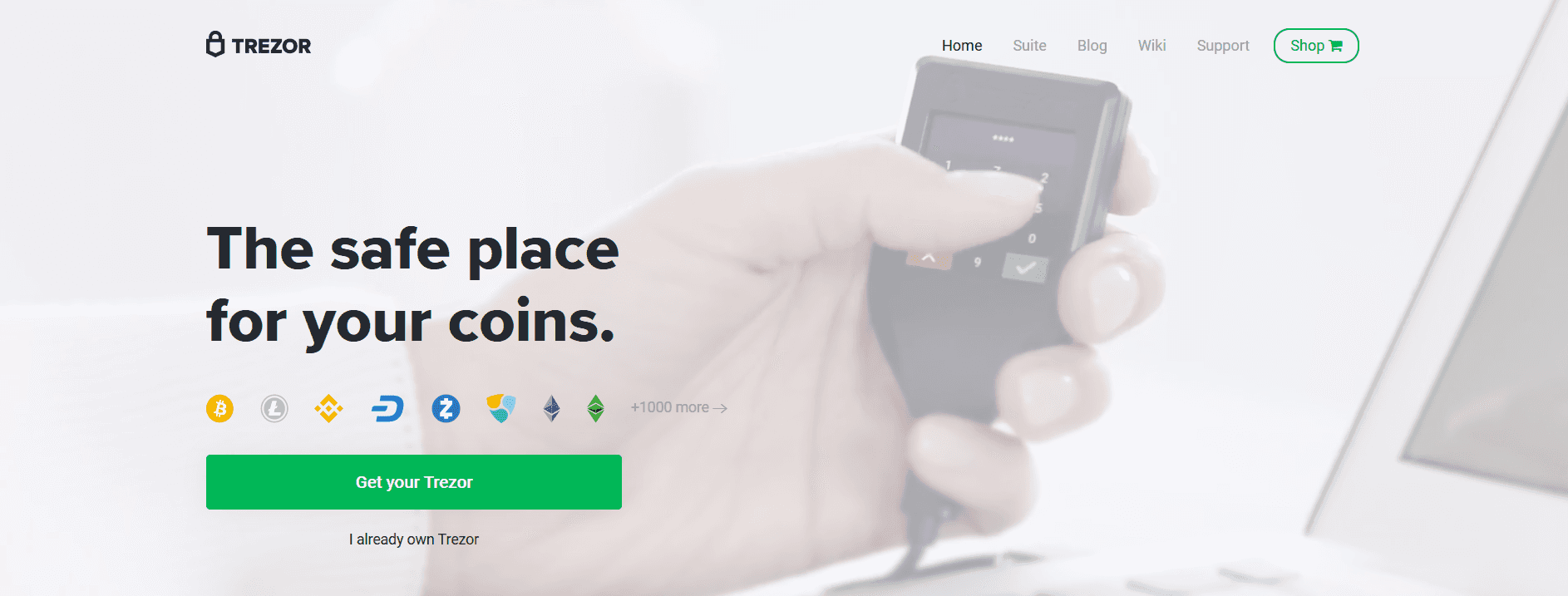
Trezor.io/start: Official Wallet Initialization and Complete Security Walkthrough
Introduction
Cryptocurrency ownership represents a major shift in how individuals manage wealth. Instead of relying on banks or intermediaries, users hold full control over their assets through cryptographic keys. While this model offers freedom and transparency, it also introduces responsibility. If private keys are exposed, lost, or mishandled, funds may be unrecoverable. This is why hardware wallets play a crucial role in modern crypto security.
Trezor.io/start is the official onboarding portal created by Trezor to help users securely initialize their hardware wallets. It ensures that users follow verified steps, install authentic software, and understand essential security principles before managing digital assets.
This guide provides entirely new, original 1500+ word content with clearly highlighted headings, offering a comprehensive overview of Trezor.io/start, from initial preparation to advanced security practices.
What Is Trezor.io/start?
Trezor.io/start is the official setup page designed to guide users through the secure configuration of Trezor hardware wallets. It acts as a trusted gateway between the user, the device, and Trezor’s official software environment.
By using Trezor.io/start, users can:
Install the official Trezor Suite application
Initialize a new hardware wallet securely
Restore an existing wallet using a recovery seed
Install and verify firmware
Learn core security practices for self-custody
Starting at Trezor.io/start ensures that no third-party tools or unsafe shortcuts are involved in the setup process.
Why Trezor.io/start Is Essential for Secure Self-Custody
Most cryptocurrency losses occur due to user error rather than technical flaws. Fake websites, malicious software, and improper recovery seed handling are common attack vectors.
Trezor.io/start minimizes these risks by:
Directing users only to official Trezor software
Ensuring firmware authenticity
Providing clear recovery seed instructions
Educating users about common crypto scams
Beginning with Trezor.io/start significantly reduces the chances of irreversible mistakes.
Trezor Hardware Wallet Models Supported
Trezor.io/start supports all current Trezor hardware wallets, including:
Trezor Model One – A widely trusted, entry-level hardware wallet
Trezor Model T – A premium wallet with touchscreen and enhanced usability
Both models follow the same open-source security philosophy, and Trezor.io/start provides model-specific setup instructions where necessary.
Preparing for Wallet Setup
Proper preparation ensures a smooth and secure initialization process.
Create a Private Setup Environment
Choose a quiet location free from cameras, screen recording software, or unfamiliar individuals.
Inspect the Packaging
Ensure the Trezor box is sealed and untampered. Trezor devices are never shipped pre-configured.
Prepare Offline Backup Tools
Have paper and a pen ready to record your recovery seed. Avoid digital notes or photographs.
These steps help protect sensitive information during setup.
Step-by-Step Setup Using Trezor.io/start
Step 1: Navigate to Trezor.io/start
Manually type Trezor.io/start into your browser. Avoid links from emails, advertisements, or search engine ads.
Step 2: Download Trezor Suite
Trezor Suite is the official software interface for managing Trezor wallets. Trezor.io/start provides verified downloads for:
Windows
macOS
Linux
Web-based Trezor Suite
Installing software from unofficial sources can compromise wallet security.
Step 3: Connect Your Trezor Device
Use the provided USB cable to connect your Trezor device to your computer and follow the on-screen instructions.
Firmware Installation and Verification
New Trezor devices ship without firmware to prevent tampering.
During setup, Trezor.io/start will guide you to:
Install the latest official firmware
Verify the firmware signature
Confirm installation directly on the device
This ensures the device is running authentic and secure software.
Creating a New Wallet on Trezor
Secure Private Key Generation
Private keys are generated inside the Trezor device and never leave it, protecting them from online threats.
Setting a Strong PIN Code
The PIN code prevents unauthorized physical access. After several incorrect attempts, the device enforces security delays.
Writing Down the Recovery Seed
The device displays a recovery seed, typically 12 or 24 words. This seed is the only way to restore the wallet if the device is lost or damaged.
Write the words down carefully and store them securely offline.
Restoring an Existing Wallet Using Trezor.io/start
Users who already have a recovery seed can restore their wallet through Trezor.io/start.
The restoration process involves:
Selecting the recovery option in Trezor Suite
Entering the seed directly on the device
Creating a new PIN code
This process keeps private keys protected throughout recovery.
Authenticity and Security Checks
Trezor.io/start includes built-in checks to confirm device integrity.
Users verify:
Firmware authenticity
Secure communication between device and software
Device originality
These checks ensure that the wallet has not been compromised.
Managing Cryptocurrencies After Setup
Once setup is complete, users can manage their digital assets using Trezor Suite.
Key features include:
Sending and receiving cryptocurrencies
Viewing balances and transaction history
Managing multiple accounts
Adjusting privacy settings
All transactions require physical confirmation on the Trezor device.
Supported Assets and Token Management
Trezor supports a wide range of cryptocurrencies and tokens, including:
Bitcoin
Ethereum
Litecoin
Cardano
ERC-20 tokens
Support expands through regular firmware and software updates.
Using Trezor with Web3 and DeFi Applications
After setup, Trezor wallets can connect to compatible Web3 interfaces.
This enables secure access to:
Decentralized exchanges
DeFi lending and staking platforms
NFT marketplaces
DAO governance tools
Private keys remain protected within the device throughout Web3 interactions.
Common Setup Mistakes and How to Avoid Them
Using Unofficial Software
Always download Trezor Suite from Trezor.io/start only.
Storing Recovery Seeds Digitally
Avoid cloud storage, screenshots, or text files.
Skipping Firmware Verification
Always complete authenticity checks during setup.
Avoiding these mistakes protects assets from common attack methods.
Best Practices After Completing Trezor.io/start
For long-term security:
Store recovery seeds in multiple secure locations
Regularly update firmware and Trezor Suite
Verify transaction details on the device screen
Avoid suspicious links and browser extensions
Never share sensitive information
These habits help maintain wallet security over time.
Trezor.io/start vs Online and Software Wallets
Software wallets keep private keys on internet-connected devices, increasing exposure to malware.
Trezor.io/start enables cold storage by:
Keeping private keys offline
Protecting against phishing attacks
Requiring physical transaction confirmation
Hardware wallets are ideal for long-term asset protection.
Advantages of Starting with Trezor.io/start
Official and trusted setup process
Protection from counterfeit software
Beginner-friendly guidance
Secure wallet initialization
Strong foundation for self-custody
The Long-Term Importance of Trezor.io/start
Security decisions made during wallet setup can impact asset safety for years. Trezor.io/start ensures users begin with correct practices that scale as their crypto holdings grow.
Conclusion
Trezor.io/start is the safest and most reliable way to initialize a Trezor hardware wallet. It combines official software downloads, firmware verification, detailed setup instructions, and essential security education.
By carefully following Trezor.io/start, users gain full control over their digital assets while significantly reducing the risk of loss or theft. In the world of decentralized finance, starting securely is essential—and Trezor.io/start provides that trusted beginning.