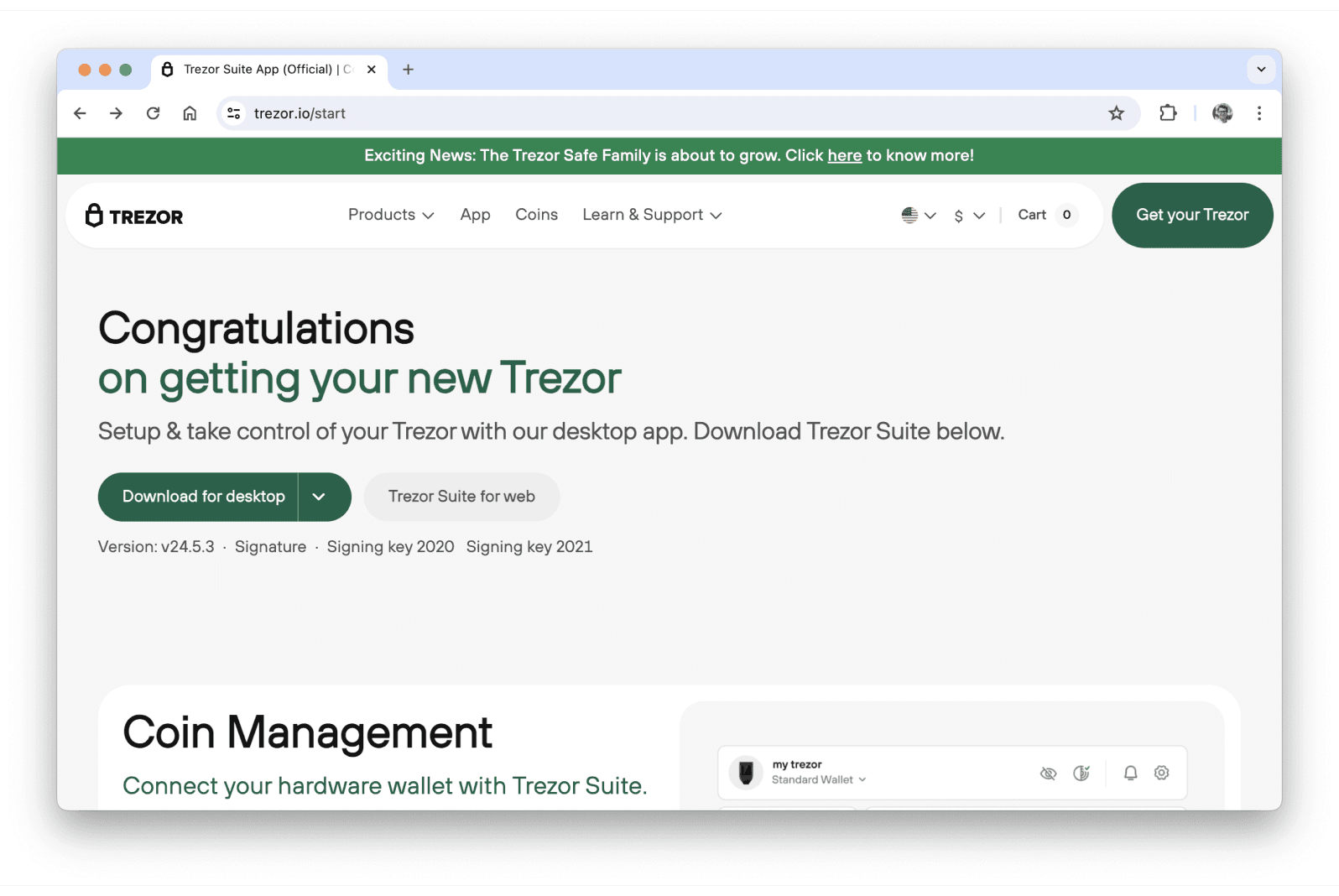
Trezor.io/start: Complete Guide to Setting Up and Securing Your Trezor Hardware Wallet
Introduction
As cryptocurrencies become a core part of the global financial ecosystem, securing digital assets has never been more important. Unlike traditional banking systems, cryptocurrency ownership relies entirely on private keys. Whoever controls those keys controls the funds. If they are lost or stolen, recovery is usually impossible. This makes the choice of wallet—and especially the setup process—critical.
Trezor.io/start is the official onboarding page provided by Trezor to help users safely set up their Trezor hardware wallets. It ensures users download authentic software, initialize their device correctly, and follow best security practices from the very beginning.
This guide offers 1500+ words of completely original content with clearly highlighted headings, explaining everything you need to know about Trezor.io/start—from first-time setup to long-term security best practices.
What Is Trezor.io/start?
Trezor.io/start is the official setup and onboarding portal for Trezor hardware wallets. It provides step-by-step instructions that guide users through connecting their device, installing firmware, creating or restoring a wallet, and learning essential security concepts.
By using Trezor.io/start, users can:
Download the official Trezor Suite software
Initialize a brand-new Trezor wallet
Restore an existing wallet using a recovery seed
Verify device authenticity
Learn how to protect private keys safely
Using this official portal is the safest way to begin your self-custody journey with Trezor.
Why Trezor.io/start Is Important for Crypto Security
Many crypto losses happen not because of weak cryptography, but due to poor setup practices. Fake apps, phishing sites, and unofficial guides can trick users into revealing sensitive information.
Trezor.io/start reduces these risks by:
Ensuring users install only verified Trezor software
Preventing exposure to counterfeit firmware
Guiding secure recovery seed creation
Educating users about common crypto scams
Starting with Trezor.io/start establishes a strong security foundation.
Trezor Hardware Wallets Supported
Trezor.io/start supports all current Trezor devices, including:
Trezor Model One – A simple, reliable, and affordable hardware wallet
Trezor Model T – A premium wallet with touchscreen and advanced features
Each device uses open-source firmware and follows the same high-security standards, with setup instructions tailored to the specific model.
Preparing for Setup Before Visiting Trezor.io/start
Proper preparation helps ensure a smooth and secure setup process.
Choose a Private Environment
Set up your wallet in a private location, away from cameras, strangers, or screen recording software.
Inspect the Device Packaging
Ensure the box is sealed and untampered. Trezor devices are never pre-configured and never include a pre-written recovery seed.
Prepare Offline Backup Materials
Have paper and a pen ready to write down your recovery seed. Avoid digital storage methods.
Step-by-Step Setup Using Trezor.io/start
Step 1: Visit Trezor.io/start
Manually type Trezor.io/start into your web browser. Avoid clicking links from emails or advertisements.
Step 2: Download Trezor Suite
Trezor Suite is the official desktop and web application for managing Trezor wallets. Trezor.io/start provides verified download links for:
Windows
macOS
Linux
Web-based Trezor Suite
Always install Trezor Suite directly from the official site.
Step 3: Connect Your Trezor Device
Plug your Trezor device into your computer using the supplied USB cable and follow on-screen instructions.
Installing Firmware Through Trezor.io/start
New Trezor devices are shipped without firmware installed. This ensures maximum security.
During setup, Trezor.io/start will guide you to:
Install the latest official firmware
Verify firmware authenticity
Confirm installation on the device screen
This process ensures the device has not been tampered with.
Creating a New Wallet on Trezor
Generating Private Keys Securely
When creating a wallet, private keys are generated inside the Trezor device and never leave it.
Creating a PIN Code
Users set a PIN code to protect the device from unauthorized physical access.
Writing Down the Recovery Seed
The device displays a recovery seed, typically 12 or 24 words. This seed is the only backup of your wallet.
Write it down carefully and store it securely offline.
Restoring an Existing Wallet Using Trezor.io/start
If you already have a recovery seed, Trezor.io/start allows you to restore your wallet.
The process includes:
Selecting “Recover wallet”
Entering the recovery words directly on the device
Setting a new PIN code
This ensures secure recovery without exposing private keys online.
Security Verification and Device Authenticity
Trezor.io/start includes critical security checks.
During setup, users verify:
Firmware authenticity
Device integrity
Secure connection between device and software
These checks confirm that your Trezor wallet is genuine and secure.
Managing Cryptocurrencies After Setup
Once setup is complete, users can manage their crypto assets using Trezor Suite.
Features include:
Sending and receiving cryptocurrencies
Viewing balances and transaction history
Managing multiple accounts
Portfolio tracking
Advanced privacy options
All transactions must be confirmed physically on the Trezor device.
Supported Cryptocurrencies and Tokens
Trezor supports hundreds of cryptocurrencies, including:
Bitcoin
Ethereum
Litecoin
Cardano
ERC-20 tokens
Support continues to expand through software updates.
Trezor.io/start as a Security Education Platform
Beyond setup, Trezor.io/start helps educate users about crypto safety.
Users learn:
How phishing attacks work
Why recovery seeds must remain offline
How to verify addresses and transactions
Best practices for long-term storage
This education is vital for protecting assets over time.
Using Trezor with DeFi and Web3 Applications
After setup, Trezor wallets can connect to Web3 platforms through compatible interfaces.
This enables secure access to:
Decentralized exchanges
DeFi lending platforms
NFT marketplaces
DAO governance tools
Private keys remain protected inside the device.
Common Setup Issues and Troubleshooting
Device Not Recognized
Check USB cables, browser permissions, or try a different port.
Forgotten PIN Code
Restore the wallet using the recovery seed.
Firmware Installation Errors
Ensure a stable internet connection and follow instructions carefully.
Best Practices After Completing Trezor.io/start
To maintain strong security:
Store recovery seeds in multiple secure locations
Never share recovery words with anyone
Verify transaction details on the device screen
Keep firmware and Trezor Suite updated
Avoid suspicious links and fake apps
Trezor.io/start vs Software Wallets
Software wallets store private keys on internet-connected devices, increasing risk.
Trezor.io/start enables true cold storage by:
Keeping private keys offline
Protecting against malware
Providing physical transaction confirmation
This makes hardware wallets a safer choice for long-term holders.
Advantages of Using Trezor.io/start
Official and trusted setup process
Protection from scams and counterfeit software
Beginner-friendly guidance
Secure wallet initialization
Strong foundation for self-custody
Long-Term Importance of Trezor.io/start
The decisions made during wallet setup can impact security for years. Trezor.io/start ensures users begin with correct habits that protect assets as values increase and the crypto ecosystem evolves.
Conclusion
Trezor.io/start is the safest and most reliable way to initialize a Trezor hardware wallet. It combines official software downloads, firmware verification, step-by-step instructions, and essential security education.
By following Trezor.io/start, users take full control of their digital assets while minimizing the risks associated with online threats. For anyone serious about cryptocurrency security and self-custody, Trezor.io/start is the essential first step.